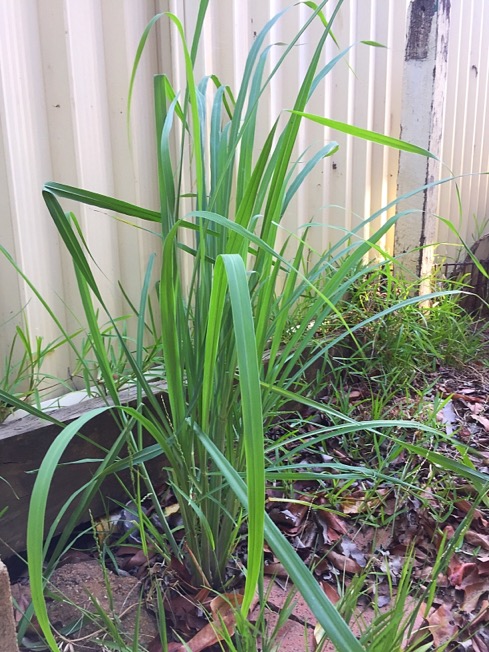
Lemongrass is a plant with long thin leaves and a semi-hard bulb; it is a medicinal herb that belongs to the Poaceae family. Lemongrass is common ingredient in south-east Asian cuisines. It is native to Africa and the tropical region of south-east Asia. Lemongrass is well-known for its health benefits and is often used as a herbal tea because of its scent that resembles the aroma of lemon citrus. The health benefits of lemongrass include relief of pain, stomach problems, fever, insomnia and infections. This antioxidant herb can help to protect the immune system, nervous system, digestive system, reduce cholesterol and is effective against antibiotic resistant bacteria. It is also widely used in aromatherapy for stress relief, anxiety, to combat fatigue, to gain healthy skin and getting rid of odor. It is one of the most effective herbs for helping with detoxification.
Uses of lemongrass
Like many medicinal herbs, lemongrass is used for tea in India, Australia and parts of Asia. To make it into tea, pour hot water onto dried leaves or sliced dried leaves or after grounding into a powder. These days lemongrass plays a role as one of the most active ingredients added to commercialised detox tea products. Lemongrass oil is packed with a refreshing fragrant where it is often used in spas, massage therapy and at home to help rid the body of unwanted smells, reduce pain and anxiety as well as enhance physical and mental well being.
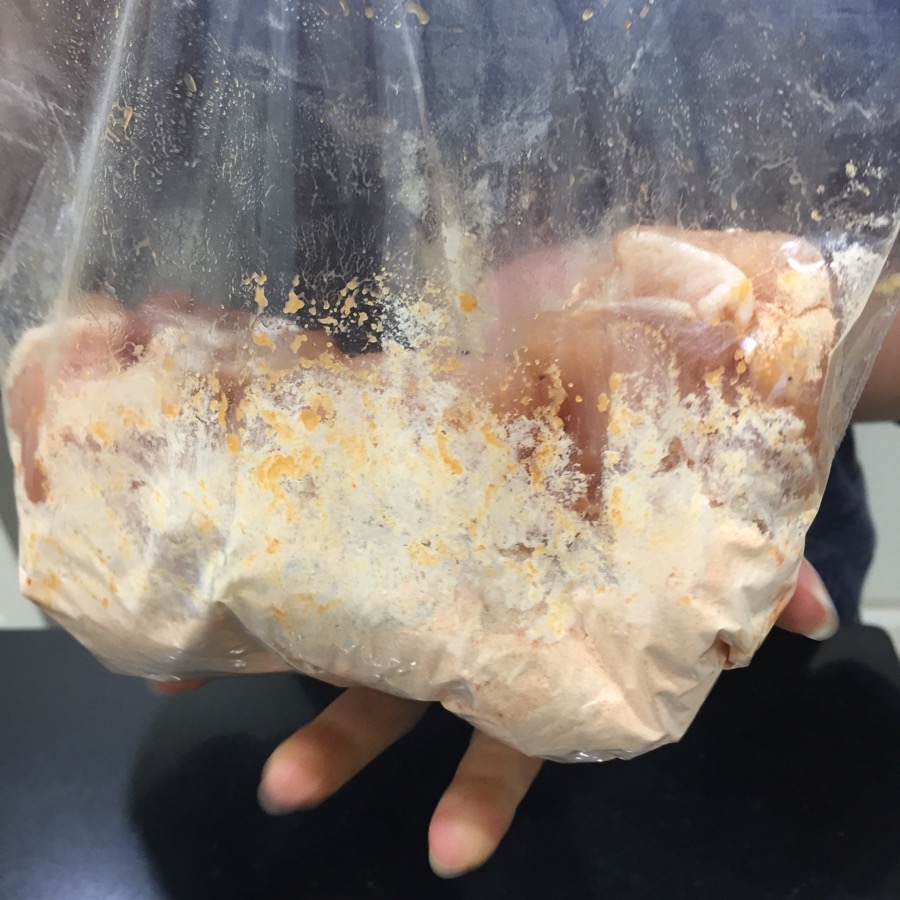
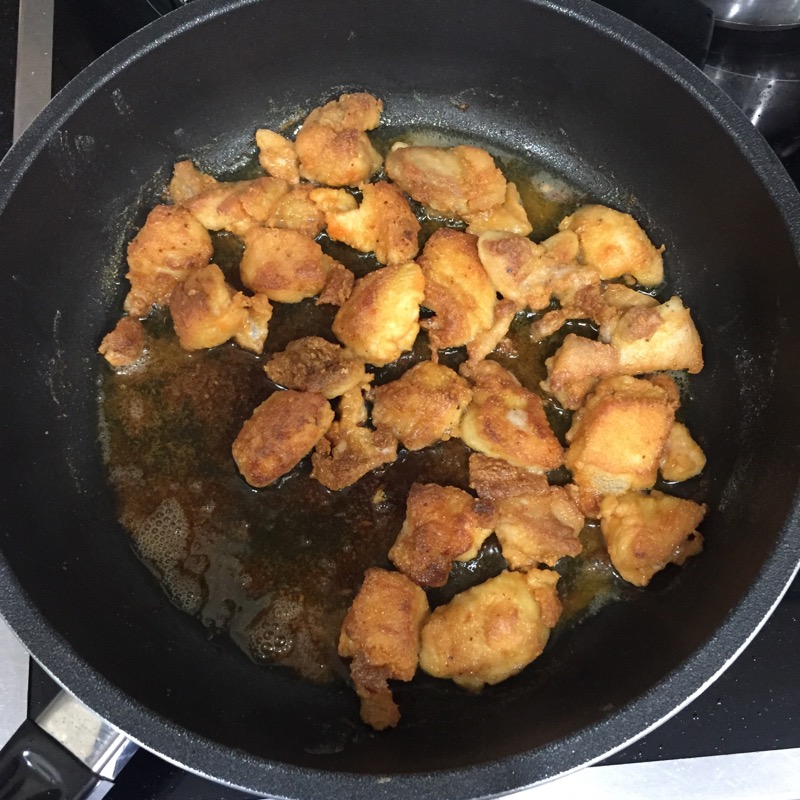
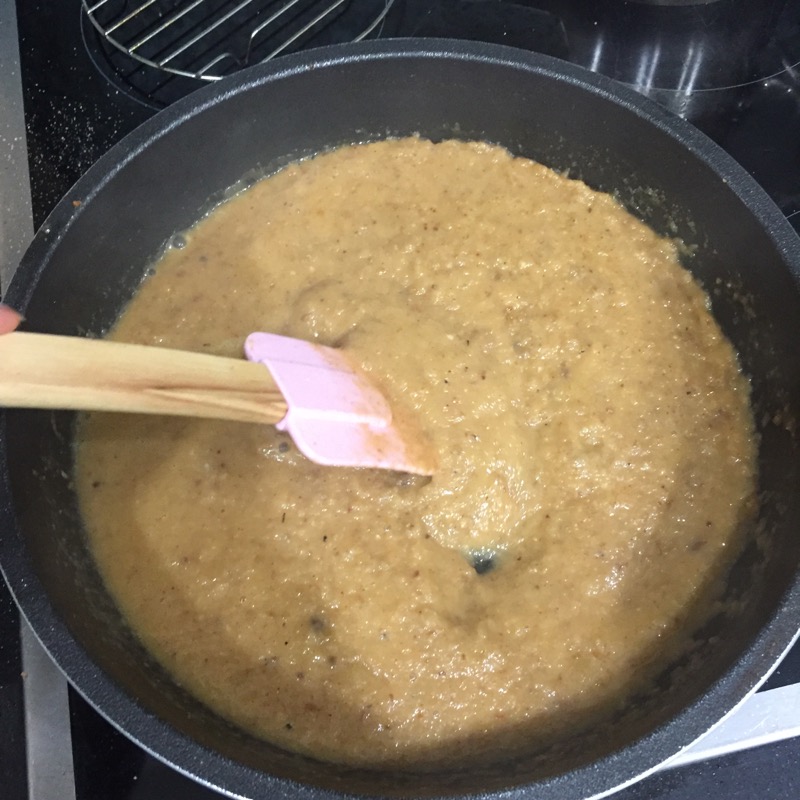
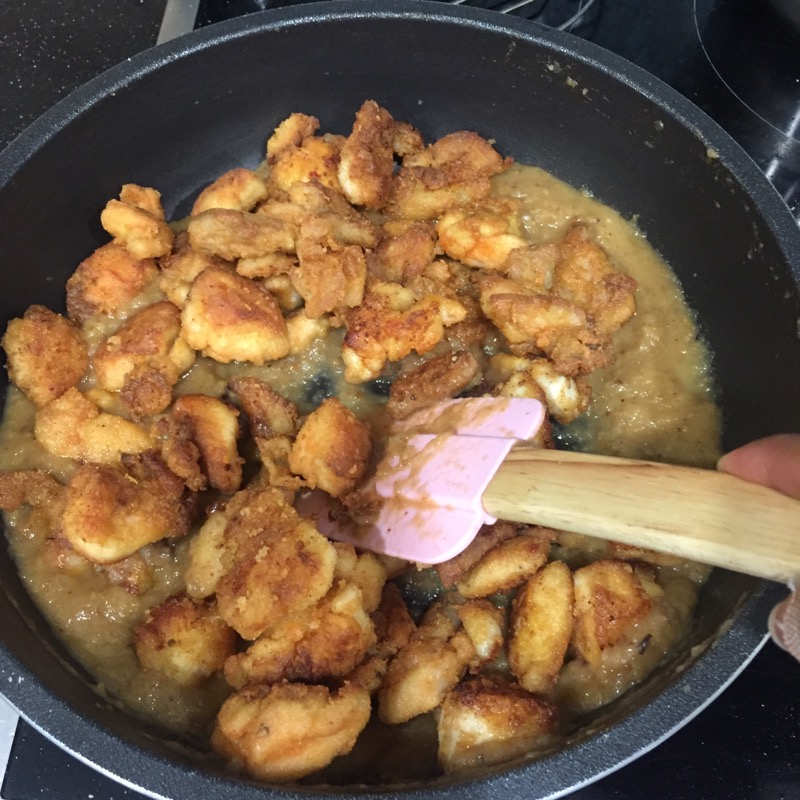
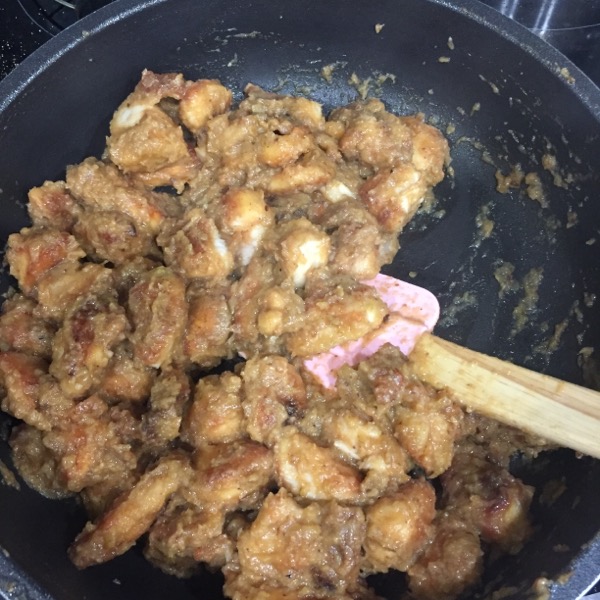
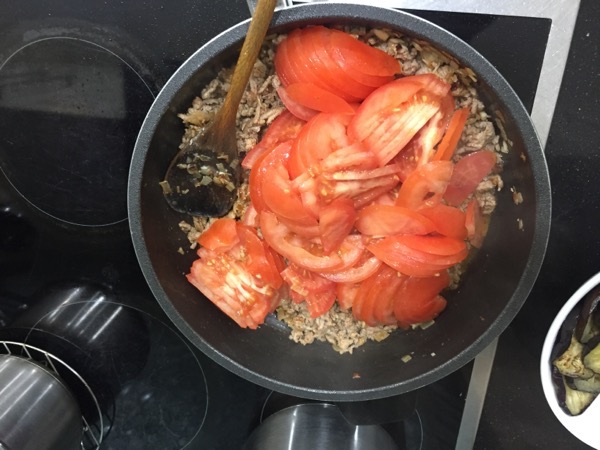
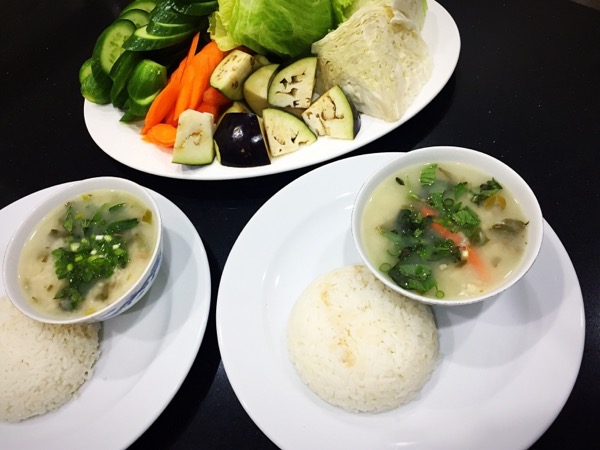
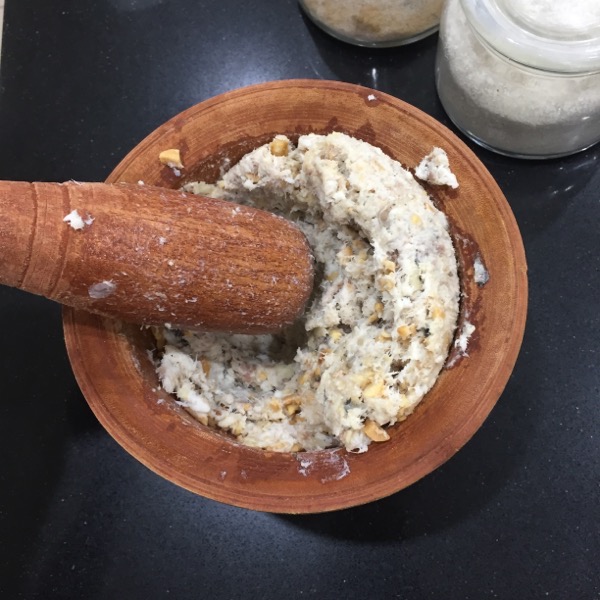
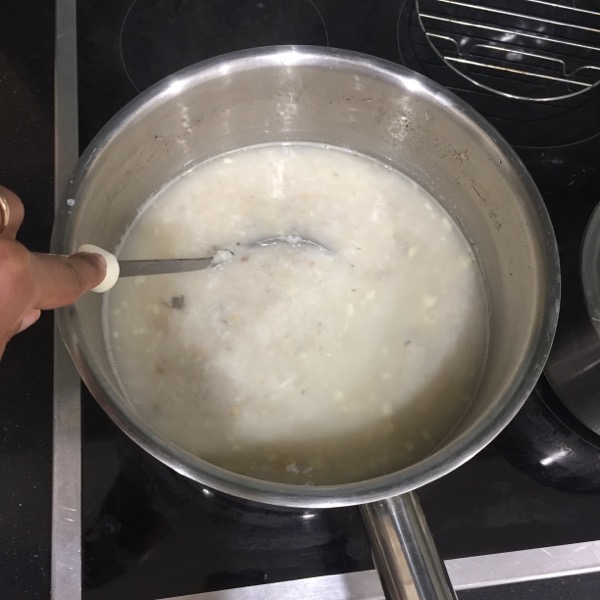
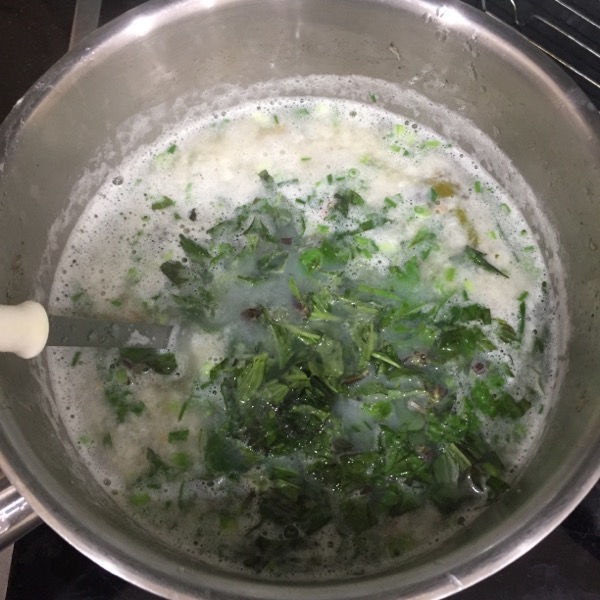
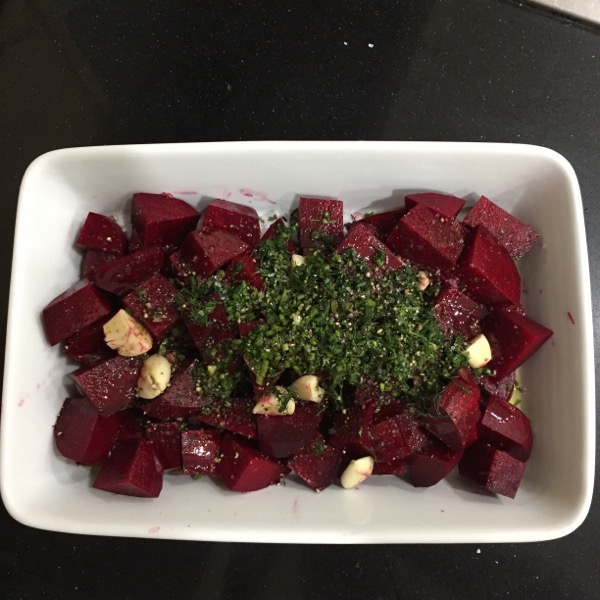
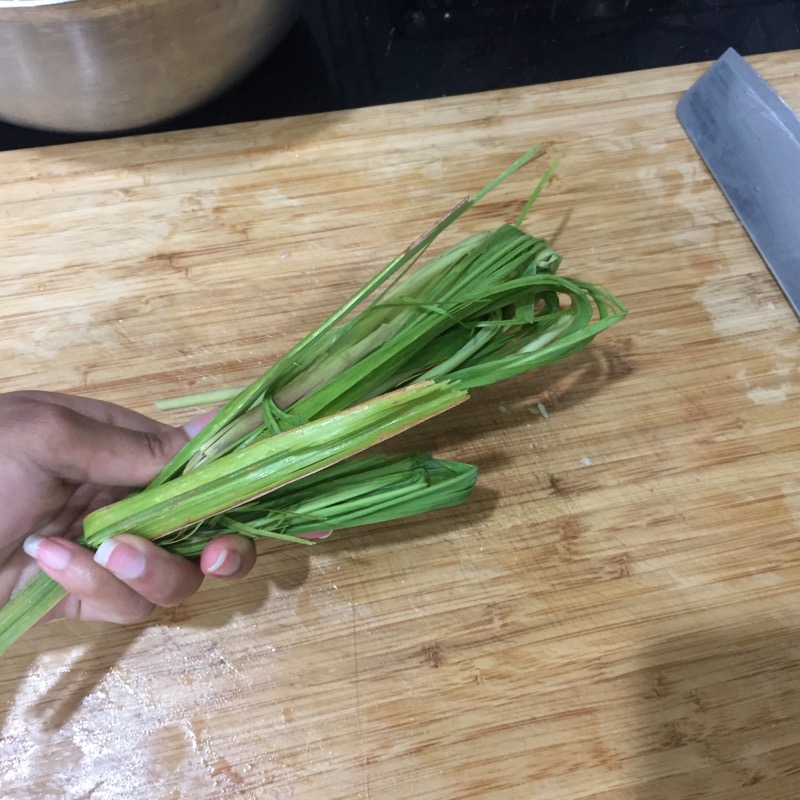
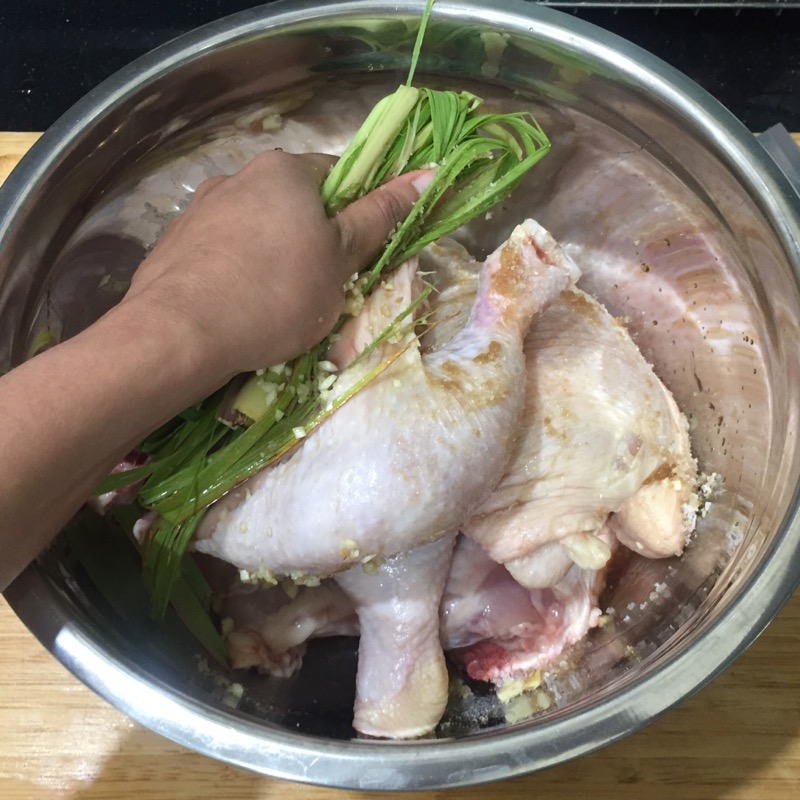
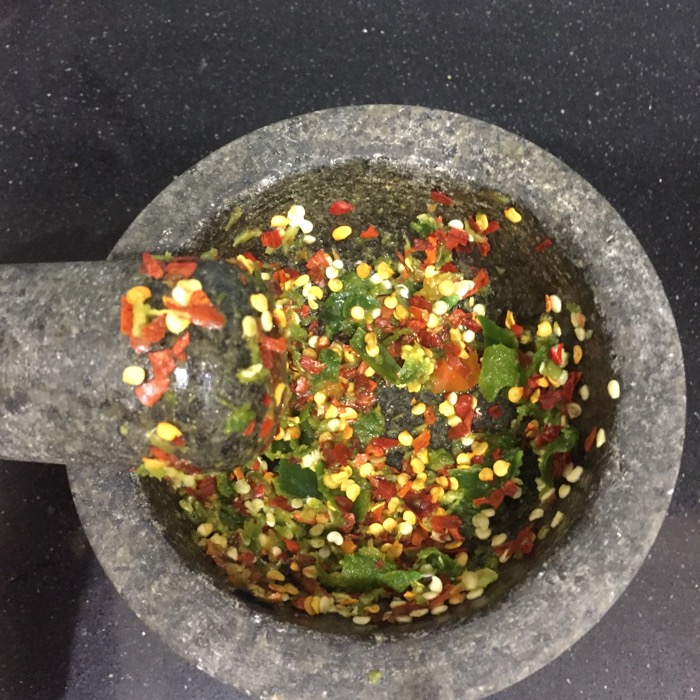
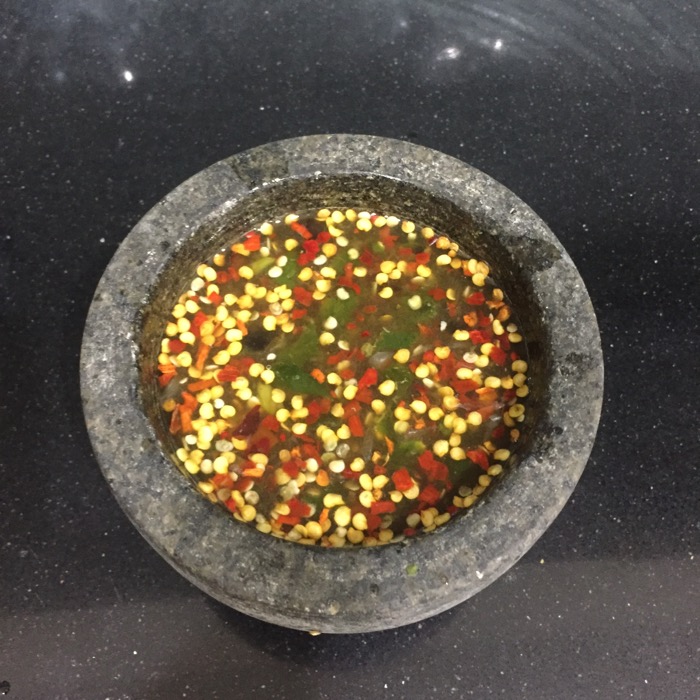
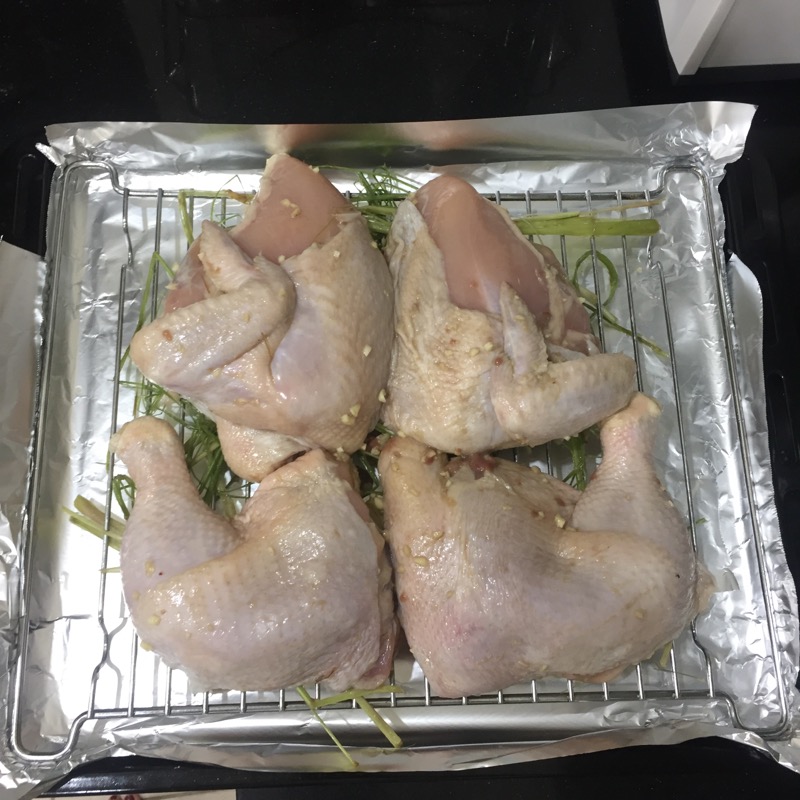
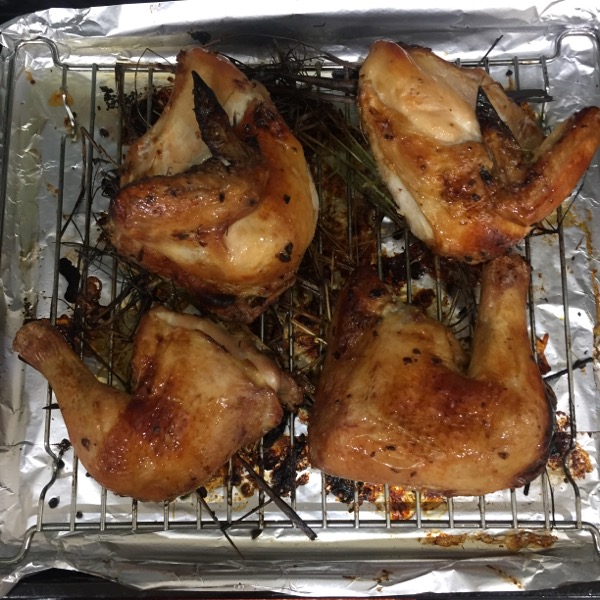
Lemongrass is also used in culinary cooking, it can be eaten raw or cooked. More so than using it as a tea, grounded lemongrass is used in cooking when fresh lemongrass isn’t available. Cooking with lemongrass may seem a bit difficult when one is not aware of the method used in preparation. In most Asian cuisines it is typically used in curries, soups and as part of the marination for fish and poultry. In curries it is often ground or blended into a paste with other herbs, where in soups it is usually cut into pieces or softened with a knife. Using lemongrass as a marination ingredient helps to reduce the fishy smell of fish and poultry and it is also helps to enhance the flavour of dishes it is cooked in. Freshly sliced and grounded lemongrass is typically used in sauces and dips throughout Cambodia, Thailand and in Laos in salads such as larb for example.
Healing Purposes
Now lets all get a little bit excited by a few interesting internal and external health benefits of lemongrass.
Pain Relief
Since ancient times, Lemongrass has been known and used for it’s pain reliever benefit to the body. In traditional Chinese medicine it is known to a effective treatment of headaches. A study done by Australian researchers from the the Griffith University stated that Lemongrass has been used for many years by the indigenous Australians as a pain reliever for headaches and migraines. In addition it has shown that lemongrass is as effective as aspirin, it is said the relieving of pain is caused by a compound called eugenol. Coincidentally, this compound displayed similar activity in the body to aspirin.
Stomach problem
Stomach issues can be caused by many things. Irregular eating, eating the wrong types of food in general or together, too much spiced or even too much acidic food can cause stomach pain, bloating, digestive problem and chronic disease. Lemongrass contains antioxidants which our body also produces, known as endogenous antioxidants. The natural antioxidant lemongrass provides help to repair damage tissue and assists in reducing mild or severe stomach pain.
Fever
Lemongrass is also known as the fevergrass in India and Africa, for it owns febrifuge properties. It contains an anti-pyretic and diaphoretic effects on fever which helps in reducing the period of illness. It is traditionally used in Ayurvedic medicine for healing fever by inducing sweating.
Insomnia
Lemongrass cleanses and purify the body, soothes the nervous system and counteracts chemical imbalances. A study has shown lemongrass contains sedative and hypnotic properties which effectively help to increase sleeping time.
Infections
Lemongrass works as an antiseptic, is anti-bacterial and thus is effective in treating infections because of its anti-microbial and anti-fungal properties. Studies have shown that the herb exerts healing effects on dermatological infections, such as urinary tract infection (UTI), yeast infections by inhibiting the growth of pathogens.
Detoxifier
Regular consumption of lemongrass tea helps cleanse and detoxify harmful toxins out of the body, as a result of its diuretic properties. Detoxification helps in the regulation of various organs of the body, including the liver and kidneys, while also helping to lower the levels of uric acid that cause kidney stones or gout. It in addition helps to clean the kidneys by increasing the frequency of good quality urination.
Stress and anxiety reduction
Lemongrass oil is highly effective as a sedative, calming the nervous system when applied to the temples or the forehead for stress relief. It is also frequently used in aromatherapy to relax the mind and body, ridding of negative energy and guiding the mind to a healthier state.
Insect repellent
Lemongrass is related to citronella, a well-known bug repellent that’s often used in candles. It is a natural insect repellent and helps prevent the occurrence of insect-borne diseases such as malaria, dengue, and Lyme disease.The anti-malarial and anti-protozoan properties of lemongrass makes its oil an effective ingredient in mosquito repellents.
How to grow lemongrass?
Lemongrass is one of the plant that contains anti-bacterial, anti-fungal and anti-microbial properties. The presence of these properties, makes growing lemongrass a lot easier than you can imagine. Just like many tree plants, one mature stem can be grown into an individual plant after being removed from a thick lemongrass bush.
The individual lemongrass stem can be placed straight into the soil or to speed up the growing process it can be left in water for a couple of weeks for the root to grow before transplanting it into the soil. Lemongrass bulb bought from super markets can also be grown as long as it is the bulb part and not the upper part of the lemongrass stem. Once a lemongrass bush is grown to a good length, new shoots will sprout from the corner of the main bulb. These new shoot leaves are soft and easier to handle compared to the matured lemongrass stems and leaves. To grow new plants, you can also remove these new shoots and plant them separately and it can grow into it’s own bush under suitable conditions.
Lemongrass loves a good amount of water and sun, the more water it gets the faster and bushier it will become. Too much sun and not enough water will cause the leaves to dry out and prevent the bush from producing new shoots. To restrict the lemongrass from getting too bushy it can be planted in a large pot instead of in open land or it can be given a regular trim, however the best method to keep the plant under control is to use the matured stems in cooking. Check out my cookbook Lemongrass that includes some of the most tasty Cambodian lemongrass dishes and also other lemongrass recipes pages on my website.